Weeds are among the most persistent challenges faced by farmers, competing with crops for nutrients, water, sunlight, and space. If left unmanaged, they can significantly reduce crop yields and impact overall farm profitability. Selecting the right weed control solution is essential for maintaining healthy crops and maximizing agricultural productivity. Modern farming requires a strategic approach that combines preventive measures, effective crop protection practices, and informed product selection. Understanding weed management techniques, along with the role of the best herbicide in India and the best fungicide in India, can help farmers achieve better results and sustainable growth.
Understanding the Impact of Weeds on Crop Production
Weeds are unwanted plants that grow alongside cultivated crops. Their presence can disrupt crop development and create unfavorable growing conditions.
Competition for Essential Resources
Weeds compete directly with crops for nutrients, moisture, and sunlight. This competition can weaken crop growth and reduce productivity, especially during the early stages of plant development.
Reduced Crop Quality
In addition to lowering yields, weed infestations can affect the quality of harvested produce. Poor-quality crops may fetch lower market prices, reducing farm income.
Increased Pest and Disease Risks
Certain weeds serve as hosts for insects and plant pathogens. Their presence can increase the likelihood of pest infestations and disease outbreaks, creating additional challenges for farmers.
Importance of Choosing the Right Weed Control Strategy
Effective weed control involves more than simply eliminating unwanted plants. Farmers must select solutions based on crop type, weed species, growth stage, and environmental conditions.
Early Intervention Matters
Controlling weeds during the initial stages of crop growth is crucial. Early intervention prevents weeds from establishing strong root systems and reduces their impact on crop development.
Long-Term Farm Productivity
A well-planned weed management program contributes to healthier crops, improved resource utilization, and consistent yields over multiple growing seasons.
Cost Efficiency
Proper weed control minimizes crop losses and reduces the need for repeated corrective measures, helping farmers manage production costs more effectively.
Types of Weed Control Methods
Cultural Weed Management
Cultural practices help suppress weed growth naturally and form the foundation of an integrated weed management strategy.
Crop Rotation
Rotating crops can disrupt weed life cycles and reduce the buildup of specific weed species in the field.
Proper Land Preparation
Well-prepared fields create favorable conditions for crops while limiting opportunities for weed establishment.
Mulching
Mulching helps suppress weed growth by blocking sunlight and conserving soil moisture.
Mechanical Weed Control
Mechanical methods include manual weeding and the use of agricultural equipment to remove weeds physically. These techniques can be effective when combined with other weed management approaches.
Chemical Weed Control
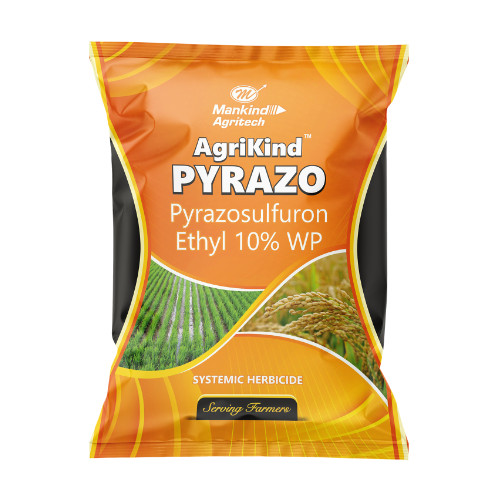
Chemical weed management remains an important tool for modern agriculture. Farmers often seek the best herbicide in India to effectively target specific weed species while protecting crop health. Proper selection and application are essential for achieving optimal results.
Factors to Consider When Selecting a Herbicide
Weed Identification
Accurate identification of weed species is critical. Different herbicides are designed to control specific categories of weeds, including broadleaf weeds, grasses, and sedges.
Crop Compatibility
The selected herbicide must be suitable for the crop being cultivated. Choosing the wrong product can negatively affect crop growth and yield.
Application Timing
Timing significantly influences herbicide performance. Some products are applied before weed emergence, while others are designed for post-emergence control.
Environmental Conditions
Temperature, humidity, rainfall, and soil characteristics can affect herbicide effectiveness. Farmers should consider these factors before application.
Selecting the best herbicide in India requires a thorough understanding of field conditions and crop requirements to ensure successful weed management.
The Connection Between Weed Control and Disease Management
Many farmers focus primarily on weed removal, but disease management is equally important for achieving high yields.
How Weeds Contribute to Disease Spread
Weeds can create humid microenvironments that favor the development of fungal diseases. They may also act as reservoirs for pathogens that infect crops.
Importance of Preventive Disease Control
Maintaining disease-free crops helps protect plant health and preserve yield potential. Preventive measures are often more effective than treating advanced infections.
Role of Fungicides in Crop Protection
Fungicides play a key role in managing fungal diseases that threaten agricultural productivity. Farmers often search for the best fungicide in India to protect crops from a wide range of disease challenges while maintaining quality and yield.
Integrated Weed and Disease Management
Combining Multiple Approaches
An integrated management strategy combines cultural, mechanical, biological, and chemical methods for comprehensive crop protection.
Field Monitoring and Scouting
Regular inspections help farmers identify weed and disease problems early. Timely intervention reduces damage and improves control outcomes.
Resistance Management
Overreliance on a single control method can contribute to resistance development. Rotating management strategies helps maintain long-term effectiveness.
Sustainable Farming Practices
Sustainable crop management supports environmental stewardship while ensuring continued agricultural productivity.

Benefits of Effective Weed Control
Higher Crop Yields
Reducing weed competition allows crops to access the nutrients, water, and sunlight needed for optimal growth.
Improved Crop Quality
Healthy crops generally produce better-quality harvests that meet market standards and consumer expectations.
Better Resource Utilization
Effective weed control improves the efficiency of fertilizers, irrigation systems, and other farm inputs.
Enhanced Profitability
Higher yields and improved crop quality contribute directly to increased farm income and long-term business sustainability.
Farmers who carefully evaluate their options and choose the best herbicide in India can significantly improve crop performance and maximize returns on investment.
Selecting the Right Fungicide for Comprehensive Protection
Fungal diseases can spread rapidly under favorable environmental conditions, causing severe crop damage if left unmanaged.
Disease Identification
Correct diagnosis is essential for selecting the most appropriate treatment strategy.
Preventive and Curative Solutions
Different fungicides offer preventive, curative, or combined action. Understanding disease pressure and crop requirements helps farmers make informed decisions.
Application Best Practices
Following recommended application schedules and dosage guidelines improves effectiveness and minimizes unnecessary product use.
Choosing the best fungicide in India involves evaluating crop needs, disease risks, and field conditions. Proper disease management complements weed control efforts and contributes to healthier crops throughout the growing season.
Future Trends in Crop Protection
Agriculture continues to evolve with the adoption of advanced technologies such as precision farming, drone-based monitoring, and digital decision-support tools. These innovations help farmers identify weed and disease threats more accurately and respond more effectively.
As crop protection solutions become increasingly sophisticated, farmers can expect greater efficiency, reduced losses, and improved sustainability. Integrating modern technologies with sound agronomic practices will remain essential for maximizing agricultural productivity.
Conclusion
Choosing the right weed control solution is a critical step toward achieving higher yields, better crop quality, and long-term farm profitability. Effective weed management, combined with proactive disease control, enables farmers to protect crops from multiple threats throughout the growing season. The strategic use of the best herbicide in India and the best fungicide in India supports healthier crop development and improved productivity. Mankind Agritech continues to focus on delivering affordable and accessible crop protection solutions that help growers address modern agricultural challenges while promoting sustainable and productive farming practices.